The Psychology Of Searching For Patterns In Card Distribution
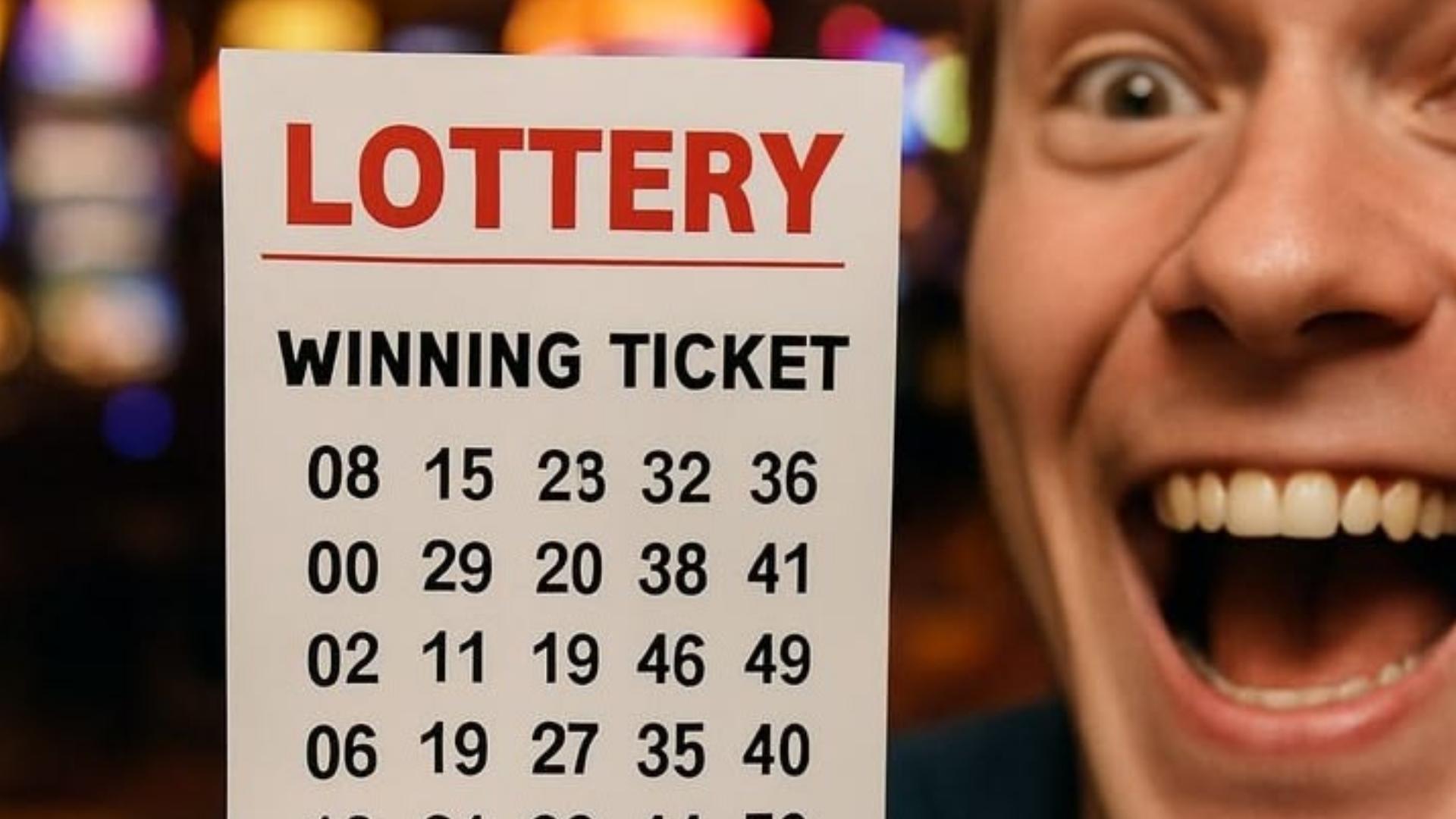
Human cognition is naturally inclined to detect order, even in environments defined entirely by random chance. In card games, players frequently analyze previous deals to forecast upcoming rounds, believing that specific sequences reveal underlying trends. Understanding the psychology of searching for patterns in card distribution sheds light on how cognitive biases influence strategic decision-making at the table.
The Evolutionary Drive for Pattern Recognition
Our brains evolved to identify connections in nature to help early humans anticipate threats and secure survival. This cognitive mechanism, known as apophenia, leads individuals to perceive meaningful arrangements in completely random data sets. When applied to card games, this instinct transforms random dealing sequences into perceived mathematical trends.
Players often misinterpret short-term clusters of high or low cards as evidence of a structured cycle. Because the mind naturally resists accepting complete randomness, it invents logical narratives to explain unexpected card outcomes. Recognizing this mental habit is essential for maintaining an objective strategic approach.
The Illusion of Predictability in Random Deals
In a standard, well-shuffled deck, every deal represents an independent event governed strictly by probability. However, many players fall victim to the gambler's fallacy, assuming that past results directly influence future probabilities. For instance, after receiving several weak hands, a player might expect a strong holding simply because they feel due for a change.
This cognitive bias creates a false sense of control over unpredictable card distribution sequence. Enthusiasts analyzing strategic dynamics often access resources via m88 link to observe how probability plays out across different scenarios. Over time, experienced players learn that individual deals remain entirely unaffected by previous outcomes.
Cognitive Overload and Mental Shortcuts
During intense gaming sessions, processing complex statistical information in real time presents a significant mental challenge. To save cognitive energy, the human mind relies on heuristics, or mental shortcuts, to simplify risk assessment. While these shortcuts help quick decision-making, they often lead players to mistake temporary statistical noise for reliable patterns.
When players rely heavily on these shortcuts, they risk making flawed tactical adjustments based on non-existent trends. Overconfidence in these perceived patterns can result in unnecessary risk-taking or premature folding. Developing mental discipline allows players to override these shortcuts and base decisions on mathematical expectations.
Cultivating Objective Thinking at the Table
Overcoming the instinct to seek patterns requires intentional practice and continuous self-awareness. Successful card players separate emotional impressions from objective statistical reality, focusing on long-term strategy rather than short-term variance. Accepting that randomness produces unpredictable clumps helps eliminate the urge to chase fictitious trends.
By grounding choices in probability theory rather than superstitious pattern tracking, players achieve greater emotional stability. Understanding cognitive biases ultimately transforms how individuals evaluate card distribution and risk management. Mastering this mental shift is one of the most effective steps toward long-term strategic growth.